Knowledge Center
When You Should Call a Tow Truck Instead of Driving
Drivers often hesitate before calling a tow truck because the vehicle still moves and they hope they can make it a few more miles. Sometimes that works. Other times, it turns a moderate problem into a much more expensive one. Knowing when to stop driving is part of protecting the vehicle, your safety, and the people around you on the road. In the Chicopee area, that decision becomes even more important during winter weather and on busier roads where a second breakdown in a worse location can create real risk.
Ask whether the vehicle is safe, not just whether it is moving
A car that still rolls is not automatically safe to drive. Steering damage, brake problems, overheating, severe vibration, heavy smoke, leaking fluids, and tire failures can all leave the vehicle technically mobile but practically unsafe. That is the key distinction. The question is not whether it can move. The question is whether continuing to drive it is likely to make the situation worse.
Common warning signs that point toward towing
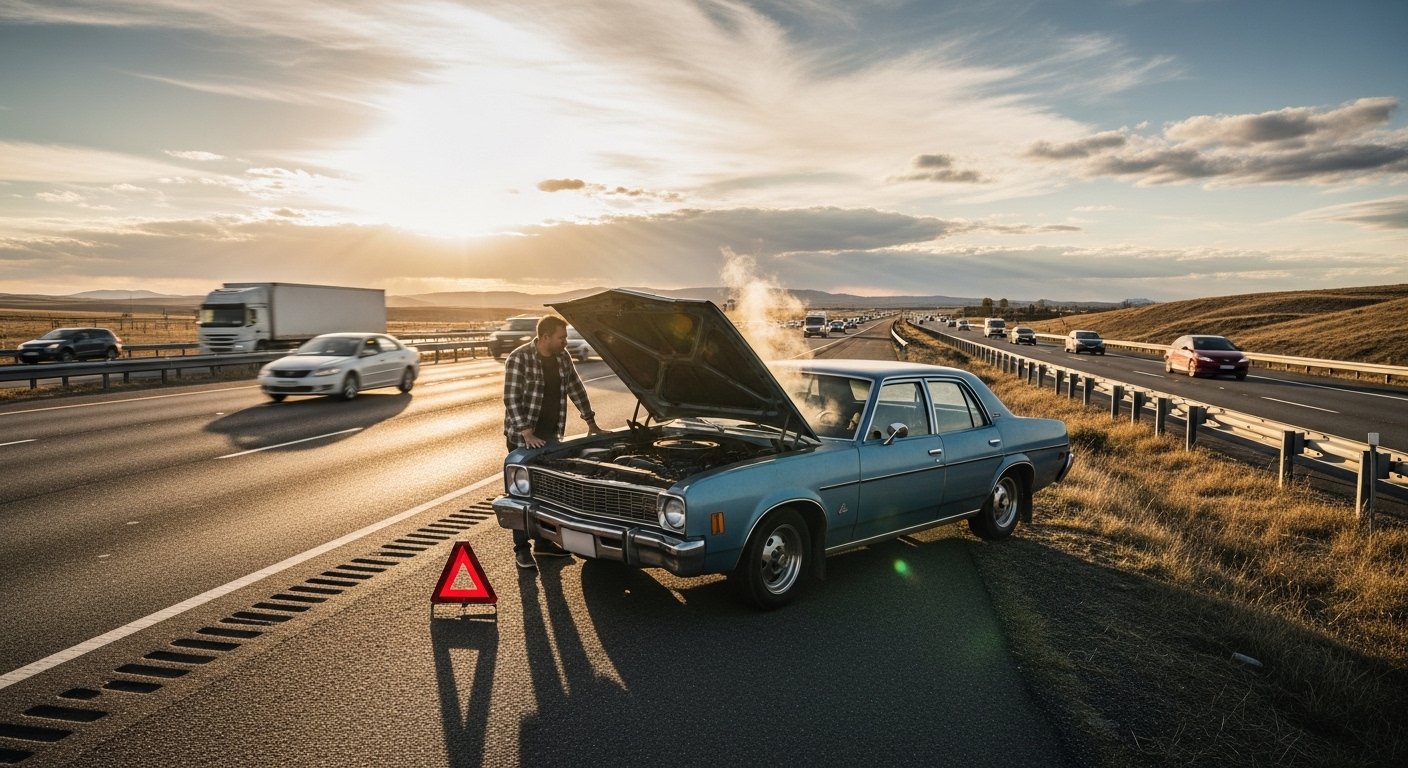
Overheating is one of the clearest examples. Trying to nurse an overheating engine farther can turn a cooling-system repair into major engine damage. The same logic applies to transmission slipping, oil-pressure warnings, major suspension problems, and collision damage that affects wheel alignment or tire clearance. A shredded tire is another common mistake area. Driving on it to “get somewhere safer” can damage the wheel and make the final repair more expensive.
Think about where the next breakdown would happen
Sometimes the vehicle feels like it might make it to the shop, but you have to consider what happens if it does not. Breaking down on a narrow shoulder, in rush-hour traffic, or in freezing conditions is worse than arranging a tow from a more controlled location. This is especially relevant on I-90, I-91, and busy connectors around Chicopee where a second failure can create a much more stressful scene.
Towing is often a cost-control decision
People tend to think of towing only as an extra expense. In many cases, it is actually the expense that prevents a larger one. A tow can protect the engine, drivetrain, wheels, suspension, and bodywork from further damage. It can also keep you from being stuck in a more dangerous spot later. That is why smart towing decisions are not just about convenience. They are about controlling risk.
If the vehicle is sending clear warning signs, trust those signs. A tow truck is often the right answer when driving farther feels possible but not wise.
Related service pages
Frequently asked questions
Is it cheaper to keep driving if the car still moves?
Not always. Driving a damaged or failing vehicle can create a larger repair bill.
What warning signs mean I should stop driving?
Overheating, grinding noises, major vibration, fluid leaks, steering issues, severe tire damage, and collision damage are common examples.
Can a tow prevent more damage?
Often yes, especially when the problem affects the engine, transmission, cooling system, suspension, or drivetrain.