Knowledge Center
Winter Breakdown Tips for Massachusetts Drivers
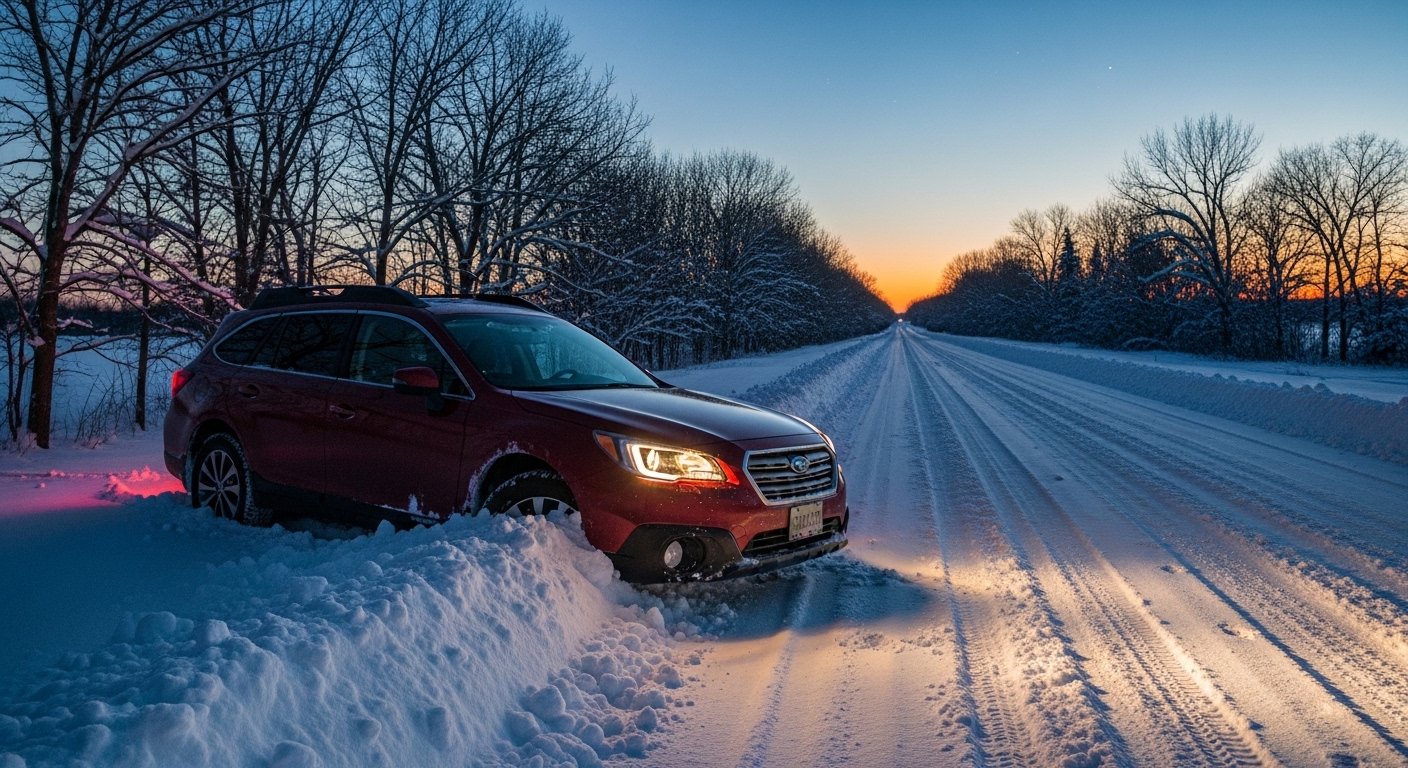
Winter driving in Massachusetts does not forgive small mistakes. A weak battery that might be manageable in mild weather can fail completely during a cold snap. A minor slide can leave a vehicle buried against a snowbank. A simple mechanical problem can become a dangerous roadside wait once snow, slush, and wind arrive. For drivers in Chicopee and nearby communities, winter breakdown planning is less about fear and more about being realistic about how quickly conditions can change.
Prepare before the weather gets worse
Good winter breakdown response starts before the breakdown happens. Keep your phone charged, know where your roadside contact information is, and pay attention to signs of battery weakness, poor tire condition, or overheating issues before a storm moves in. Many winter calls begin with problems that were already developing in the background. Cold temperatures simply bring them to the surface at the worst possible time.
If you get stranded, think warmth and visibility
If the vehicle stops, your first priorities are location, visibility, and personal safety. Hazard lights are important. So is staying aware of where you are in relation to traffic. If snow is falling hard or visibility is poor, a vehicle on the shoulder can be difficult for other drivers to see in time. That is one reason winter towing calls can feel urgent even when the original mechanical issue is relatively ordinary.
Avoid making the situation worse
Trying to power out of deep snow by spinning the tires usually makes recovery harder. Repeated start attempts can drain a battery that was only borderline weak to begin with. Driving a vehicle that is overheating or sliding unpredictably can put you in a worse position than where the problem started. Winter is the season where restraint often saves money. A timely tow or recovery can prevent body damage, underbody damage, and extended roadside exposure.
Know what information to send
When calling or texting for help in winter, include the nearest address, cross street, route number, or landmark. Mention whether the vehicle is stuck, will not start, slid off the road, or was involved in a collision. Also say whether snow, ice, or narrow roadside space are affecting access. These details matter because winter calls often require more planning than a dry-weather tow.
Why winter changes the towing decision
In warm weather, you might risk limping the car to a nearby shop. In winter, the same choice can backfire quickly. Poor traction, reduced daylight, freezing temperatures, and crowded tow demand during storms all raise the stakes. If the vehicle is not behaving normally, the smarter move is often to call for help sooner, not later.
The best winter breakdown advice is simple: prepare early, slow down when the problem starts, and do not let urgency push you into driving a vehicle that no longer feels safe. That mindset is what keeps a manageable issue from becoming a much bigger one.
Related service pages
Frequently asked questions
Why are winter breakdowns more serious?
Cold, snow, ice, and low visibility can make even simple roadside problems more dangerous and harder to solve.
What should I keep in the car during winter?
A charged phone, warm clothing, gloves, and basic emergency items can make waiting safer and easier.
When should I call for a tow in winter?
If the vehicle is stuck, unsafe to drive, or showing signs of mechanical trouble beyond a simple fix, towing is often the safer choice.